
Why Teacher Housing Matters:
Understanding a Hidden Barrier to Rural Education in Malawi and Zambia
Across Malawi and Zambia, the promise of education is often shaped not only by what happens at school, but by the realities surrounding it. One of the most overlooked factors influencing learning outcomes—especially in rural communities—is teacher housing. It may sound like a logistical detail, but in practice, it’s a powerful determinant of whether children receive consistent, high‑quality instruction.
Teacher Housing—and Why It Exists
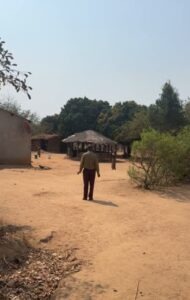
Teacher housing refers to on-site or nearby accommodation provided to teachers, typically within the grounds of a primary or secondary school. In Malawi and Zambia, this model emerged as a practical response to the each country’s geography and infrastructure:
- Many schools are located far from trading centers or towns
- Public transportation is limited or nonexistent in rural areas
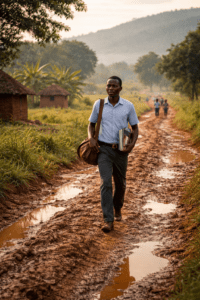
- Teachers often must travel long distances on foot or bicycle
- Safety concerns increase when commuting early in the morning or late in the evening
Housing teachers near the school ensures they can reliably reach their classrooms, participate in school life, and integrate into the community.
Who Provides Teacher Housing
Teacher housing is primarily provided by:
- The Government, through the Ministry of Education, which sets standards and allocates funding for school infrastructure
- Local communities, who often contribute bricks, sand, or labor through village development committees
However, the supply of teacher housing falls far short of demand, with rural schools being disproportionately affected. Nonprofit organizations and development partners work to fill gaps by constructing teacher houses as part of broader education initiatives, but the need remains great.
How Teacher Housing Shapes Educational Equity
Teacher housing is a structural factor that directly influences whether children in rural Malawi and Zambia receive the same quality of education as their peers in urban areas.
1. Teacher Retention and Stability
Rural schools struggle to attract and retain qualified teachers. Without housing, teachers may request transfers, arrive late, or miss school entirely due to long commutes. High turnover disrupts learning continuity and disproportionately affects early-grade literacy and numeracy.
2. Instructional Time
Data from the education sector consistently shows that teacher absenteeism is higher in remote schools. When teachers live far away, rainy seasons, poor roads, and transport costs all become barriers. Housing reduces these disruptions and increases the number of hours students spend with a trained educator.
3. Safety and Well‑Being
For female teachers in particular, commuting long distances can pose safety risks. Housing on or near school grounds provides security and fosters a sense of belonging—both essential for teacher morale and long-term commitment.
4. Community Integration
Teachers who live within the community are more likely to participate in school governance, meet with parents, and understand the social context of their students. This strengthens accountability and improves school culture.
5. Equity Between Urban and Rural Learners
Urban schools rarely face these challenges. Teachers can rent nearby housing, access transport, and rely on better infrastructure. Rural learners, meanwhile, often experience shortened school days, frequent teacher turnover, and inconsistent instruction—all rooted in the simple fact that their teachers have nowhere to live.
Housing as an Equity Intervention
Teacher housing is a foundational piece of the education system in Malawi and Zambia. That is why we are so grateful for our partnership with The Church of Jesus Christ of Latter-day Saints. They recognize the impact teacher housing can have on improving rural African education and have committed to funding the construction of teacher housing at Chitilila Primary School in Zambia. We hope to be able to partner with them again in the future to address this significant need in the communities we serve.
Building a teacher house is not just a construction project. It’s an equity intervention. It’s a commitment to rural children who deserve the same chance to learn, thrive, and dream as any child living in more urban areas.
And for many communities, it’s the difference between a school that functions and a school that flourishes.